Setting the right social media management pricing for your services can feel like solving a puzzle. You want to charge enough to make a good profit while staying competitive in the market. The good news is that there’s a clear way to approach pricing that works for most agencies and freelancers.
With 5.66 billion social media users worldwide, businesses need help managing their online presence more than ever. Industry data shows skilled professionals earn $25 per hour on average, but experienced specialists can charge much more.
This guide will help you learn social media management pricing, whether you’re starting a new agency or updating your current rates.
What factors impact social media management pricing?
Your pricing isn’t just a number you pick out of thin air. Several important factors determine how much you should charge for your services.
Services included
The scope of your services directly affects your pricing. Basic content creation and scheduling costs less than full-service management. Full-service includes strategy, content creation, community management, and detailed reporting.
Here’s what different service levels typically include:
- Basic packages usually cover content creation, post scheduling, and monthly reporting. These services require fewer hours and less expertise.
- Premium packages could include strategy development, custom content creation, and active community management. These packages also cover paid advertising management and detailed analytics reporting.
The more comprehensive your services, the higher your pricing should be. If you’re unsure what to include in your packages, explore different social media management packages to see what works best for your clients.
Scope of work
Your pricing needs to reflect the actual work involved. Managing one social media account with three posts per week is very different from managing five accounts with daily posts, Stories, and video content. The complexity and time investment scale significantly with each additional requirement.
Consider these scope factors:
- How much content you’ll create each month
- How often you’ll publish posts
- How many different content formats you’ll produce
- How many hours you’ll spend on community management
- How detailed your reporting will be
Each of these elements adds time to your work week. Your pricing should account for all of them. Underestimating any of these factors can lead to unprofitable client relationships.
Number of platforms
Each social media platform requires different strategies and content approaches. Managing multiple platforms increases complexity and time investment significantly, with each additional platform typically adding $500 to $1,000 to monthly fees. The learning curve and ongoing management for each platform justifies these pricing increases.
Facebook needs a mix of photos, videos, and link posts. Instagram focuses heavily on visual content and Stories. LinkedIn requires professional, business-focused content, while TikTok demands creative, trend-based videos.
Meanwhile, platforms like X/Twitter, Threads, and Bluesky are heavily text-based, so you need to channel your inner wordsmith to grab attention. Each platform also has different optimal posting schedules and engagement patterns.
Here are some examples of what content on these platforms look like, featuring Vista Social.
Check out this recent post on our company LinkedIn page:

And our Threads updates:

Our TikTok profile:

And of course, our Instagram:

The more platforms you manage, the more time you need for content adaptation and platform-specific strategies. Each platform requires understanding its unique algorithm, best practices, and audience behavior. This specialized knowledge takes time to develop and maintain.
Paid ads management
Some agencies include paid advertising management in their packages. However, others charge separately for this service. Your agency might charge 10-20% of ad spend as its management fee, plus your base retainer. This separate fee covers the special skills needed for campaign optimization and performance monitoring.
For example, if you manage $5,000 in monthly ad spend, you might charge an additional $500 to $1,000 for campaign management, optimization, and reporting. This fee reflects the time spent on audience research, creative testing, and performance analysis. Many agencies find ad management becomes a significant revenue stream as clients see strong returns.
Industry
Some industries require specialized knowledge that justifies higher rates. Healthcare, finance, and legal companies need managers who understand compliance requirements, often relying on a specialized cloud compliance tool to navigate strict industry standards.. These specialized industries often pay premium rates due to regulatory complexity and specialized content needs.
B2B companies in technical fields also pay more because their content needs industry knowledge and longer sales cycles.
For example, a company like Adobe requires social media managers who understand creative software, design workflows, and digital marketing solutions.
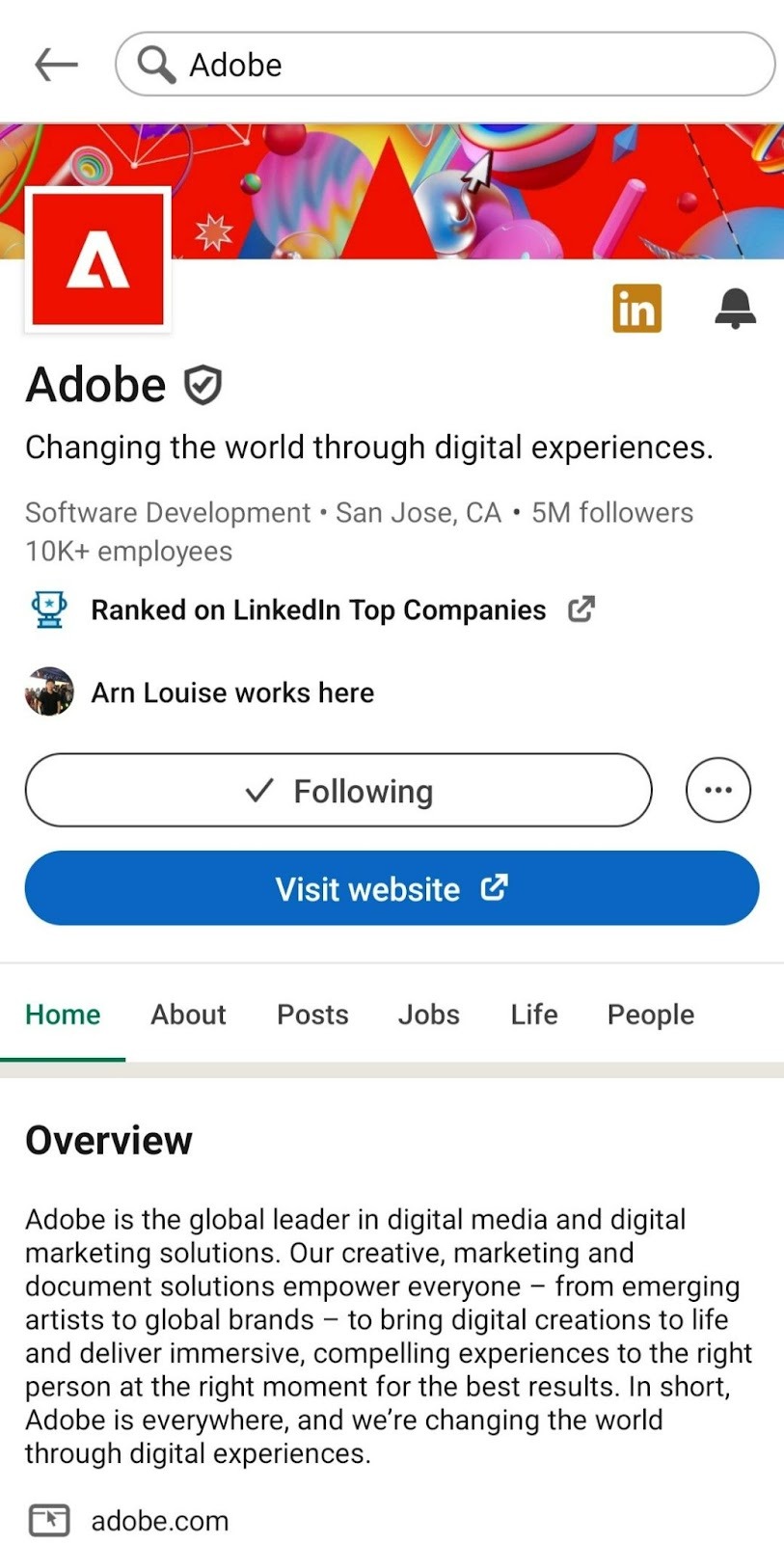
Their content covers complex topics like Creative Cloud integrations, AI-powered design tools, and enterprise creative workflows. This specialized knowledge justifies higher rates than general consumer brand management.
B2B clients also often need help with thought leadership content, white papers, and technical explanations that require industry expertise.
Experience
Your track record directly impacts what you can charge. Entry-level freelancers start at lower hourly rates, while experienced professionals command significantly higher rates. With that in mind, agencies with proven results can command premium pricing based on their expertise and track record.
Build your portfolio with case studies and results to support higher rates as you gain experience. Document specific achievements like follower growth, engagement increases, or sales generated from social media campaigns. These measurable results become powerful tools for justifying premium pricing to potential clients.
Tools
Be sure to add tool costs to your pricing. Agencies need good social media tools to make managing their client accounts more efficient.
Vista Social has features like post scheduling, analytics, social inbox, and team tools.
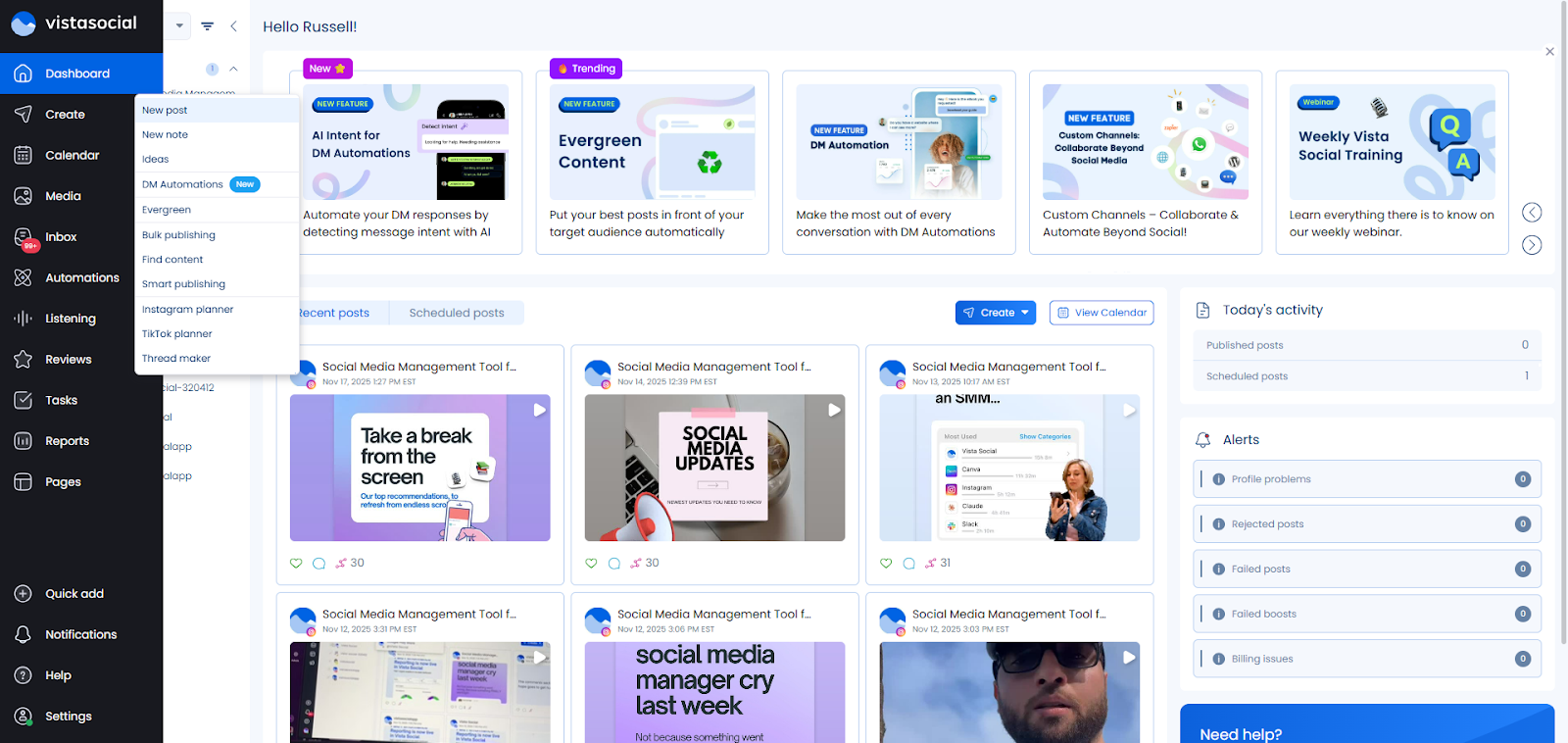
Features like approval workflows make client reviews faster, while user groups help you organize team access and cut admin work. When picking social media management tools for agencies, always think about how they help your work and pricing.
Common social media management pricing models
Choose the pricing model that best fits your business goals and client needs. Most successful agencies use a combination of these models.
Hourly rate
Hourly pricing works well for new freelancers and specific project work. You charge for the exact time spent on client work.
Pros:
- Simple to track and invoice
- Good for unpredictable project scopes
- Easy for clients to understand
Cons:
- Income tied directly to hours worked
- Harder to scale your business
- Some clients worry about efficiency
Start with hourly rates when you’re building your portfolio, then transition to other models as you grow. Hourly pricing helps new freelancers understand how long different tasks take and builds confidence in their time estimates. Once you have consistent processes, you can move to more profitable pricing models.
Monthly retainer
Retainer pricing provides predictable income for your agency and consistent service for clients. Most successful agencies prefer retainers because they offer stable cash flow and better client relationships.
Pros:
- Predictable monthly income
- Better client relationships
- Easier business planning
Cons:
- Need to manage scope carefully
- Requires clear service agreements
- Less flexibility for changing needs
Retainers work best for ongoing social media management where you provide consistent monthly services. This model allows you to plan your workload better and invest in long-term strategies for clients. Clients also prefer the predictability of fixed monthly costs over variable hourly billing.
Tiered packages
Package pricing offers different service levels at set prices. This approach makes it easy for clients to compare options and choose what fits their needs.
Example package structure:
- Starter: $1,500/month – 2 platforms, 12 posts, basic reporting
- Growth: $3,000/month – 4 platforms, 20 posts, community management, monthly strategy calls
- Premium: $5,000/month – Full-service management across all platforms
Project-based
Fixed project pricing works well for specific campaigns, strategy development, or one-time initiatives like rebranding social media profiles.
Good for:
- Social media audits
- Strategy development
- Campaign launches
- Profile setup and optimization
Set clear deliverables and timelines to avoid scope creep. Define exactly what’s included in the project fee and what would require additional charges. This protects your profitability and sets clear expectations with clients from the start.
Performance-based
This model ties your fees to specific results like engagement growth, lead generation, or sales. Performance-based pricing typically includes a base fee plus bonuses for hitting specific targets.
Pros:
- Aligns your success with client success
- Can lead to higher total fees
- Builds strong client relationships
Cons:
- Income uncertainty
- Requires clear success metrics
- Results depend partly on factors outside your control
How to set your social media management rates
Follow this systematic approach to set rates that cover your costs and provide good profit margins.
Start with your baseline costs
Calculate the minimum you need to charge to keep your business running. Include all your business expenses:
Fixed costs:
- Office rent or home office expenses
- Insurance and legal fees
- Software subscriptions and tools
- Equipment and technology costs
Variable costs:
- Your salary or target income
- Employee salaries and benefits
- Contractor payments
- Marketing and business development costs
- Time spent on client onboarding and setup
Add up all these monthly costs. This is your break-even point – the absolute minimum you need to bring in each month. Any pricing below this level will put your business at risk and prevent sustainable growth. As you take on more clients, invoice management software can help you track what has been billed, what has been paid, and which recurring retainers need attention, so your pricing decisions stay tied to actual cash flow.
Set a comfortable profit margin
Don’t just aim to break even. Successful agencies need good profit margins above their costs. This helps them invest in growth, handle unexpected expenses, and build financial stability.
If your monthly costs are $10,000, aim for $12,000-15,000 in revenue to ensure healthy profits and business growth.
Your profit margin should cover:
- Emergency expenses and cash flow gaps
- Business growth investments
- Equipment upgrades and new tools
- Professional development and training
Examine the market
Research what other agencies in your area and niche are charging. This helps you position your services competitively while ensuring good profit margins.
Look at:
- Direct competitors in your geographic area
- Agencies serving similar industries
- Freelancers offering comparable services
- Online marketplaces for baseline rates
Don’t automatically match the lowest prices. Focus on agencies with similar experience levels and service quality. Competing solely on price often leads to unsustainable business models and poor client relationships.
Consistently raise rates for inflation/trends
Industry surveys show that freelancers regularly adjust their rates. Research from YunoJuno analyzing 261,000+ freelance records found a 3% year-on-year increase in rates.
Plan regular rate increases to keep up with:
- Cost of living increases
- New skills and certifications
- Improved results and case studies
- Market demand for your services
Aim for 3-5% annual increases minimum to match inflation. Don’t forget to communicate rate changes to existing clients with 30-60 days notice. Most clients understand reasonable rate increases when you explain the business reasons and continue delivering excellent results.
Set your social media management pricing for success
Pricing your social media management services doesn’t have to be complicated. Start by calculating your baseline costs, add a healthy profit margin, and choose pricing models that fit your business goals.
As your agency grows and revenue scales, your business structure becomes just as important as your pricing strategy — choosing between LLC and S-Corp can have a significant impact on how much of that income you actually keep after taxes.
Remember that your pricing will change as you gain experience and build your reputation. Start with lower rates, deliver great results, and slowly increase your rates as your skills and portfolio grow.
The key is finding the balance between competitive pricing and profitable business operations. With the right pricing strategy, you can build a lasting social media management business. This business will serve clients well while supporting your financial goals.
If you’re just starting a social media management business, focus on building strong systems and processes that allow you to scale efficiently. Learning how to find clients at profitable rates is crucial for long-term success.
Ready to streamline your social media management process? Vista Social offers comprehensive tools for agencies to manage multiple clients easily. These include client onboarding, approval workflows, and white labeling that lets you brand the platform as your own. Features like this allow your agency to charge premium pricing.
Social media management pricing FAQs
What should you charge for social media management?
Social media management pricing varies based on experience and services. Social media freelancers charge $35-$85 per hour on average, with highly-rated managers charging up to $350 per hour. Monthly retainers range from $1,500-5,000 for most small to medium businesses.
What should you charge to create social media content?
Content creation pricing depends on the type and volume of content. Basic graphics and captions might cost $50-100 per post, while high-quality video content can range from $200-500 per video. Many agencies bundle content creation into monthly retainer packages rather than charging per piece.
What should you charge to manage a Facebook Page?
Managing a single Facebook Page typically costs $500-1,500 per month. This depends on how often you post and your engagement level. The package usually includes content creation, posting, basic community management, and monthly reporting. Add-on services like paid advertising management cost extra.
For agencies looking to expand their service offerings, consider using complete agency social media marketing strategies. These go beyond basic management to include strategic consulting and advanced analytics.